

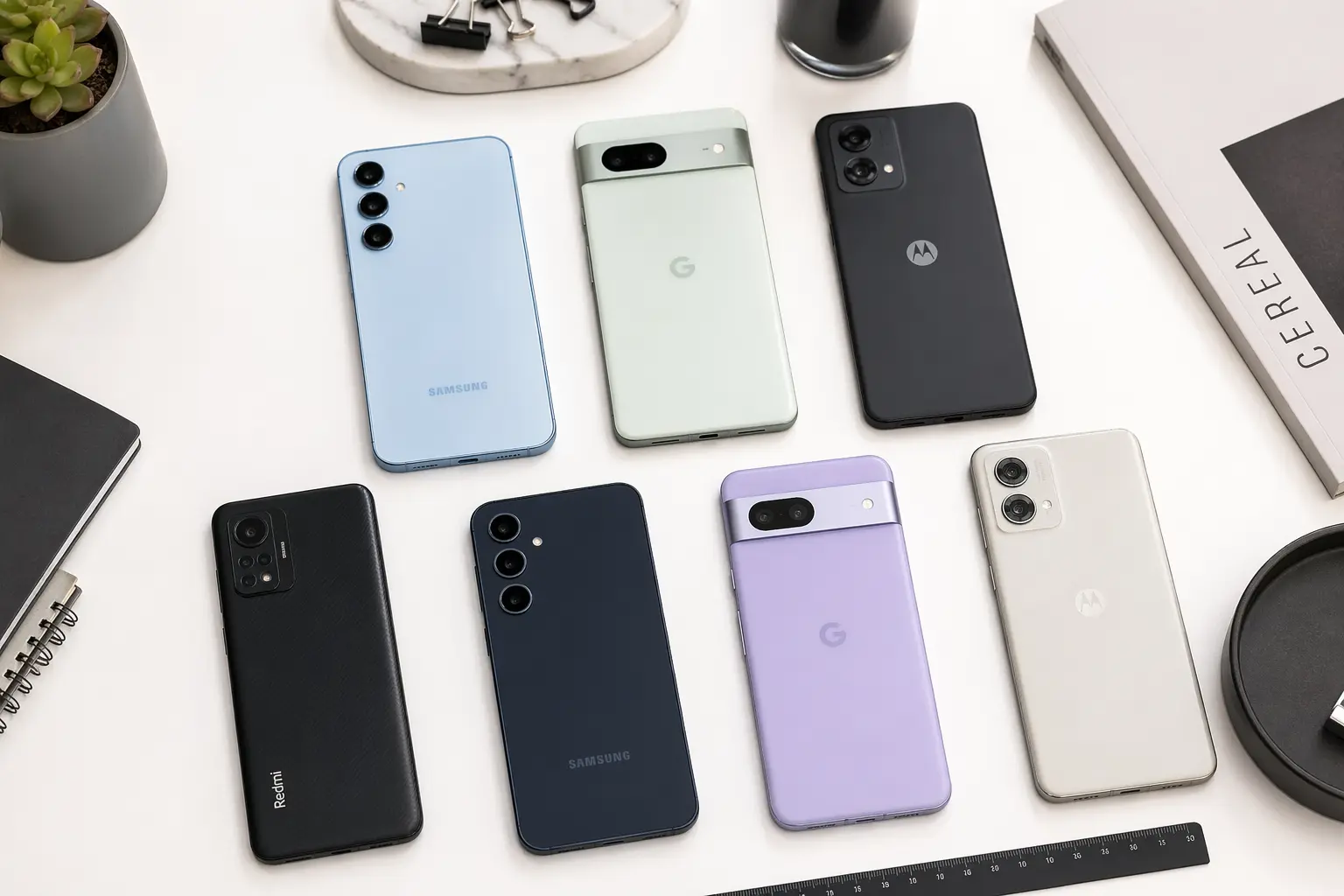
Best Budget Smartphones 2026: Top Picks Under $300
Flagship phones broke the $1,000 barrier years ago. Now, even mid-range devices creep past $600. The real question isn’t whether budget phones have gotten better — they have — it’s whether the one you’re about to buy will still feel usable in three years.That’s the filter every recommendation here runs through.
What “Best Budget Smartphone” Actually Means in 2026
Best budget smartphones are devices priced under $300 that deliver reliable daily performance, at least three years of software updates, and a camera system that doesn’t embarrass you in daylight. They are not stripped-down compromises — the best ones in 2026 are last year’s mid-range, rebuilt.
According to IDC (December 2025), the average smartphone selling price hit $465 in 2026, pushed up by memory chip shortages and component inflation. That shift made the sub-$300 segment more competitive than it’s ever been, with Samsung, Google, and Motorola all repositioning serious hardware into this tier.

Here’s the thing: the biggest mistake buyers make isn’t choosing the wrong phone. It’s choosing a phone with a two-year update window and discovering — eighteen months in — that they’re already behind on security patches.
One metric most review sites skip entirely: cost per year of usable life. A $169 phone with two years of updates costs $84/year. A $299 phone with six years of updates costs $50/year. Do that math before you click buy.
Quick Comparison: Best Budget Phones Under $300 (2026)
| Phone | Best For | Key Benefit | Limitation |
| Samsung Galaxy A16 5G | Long-term value buyers | 6 years of OS + security updates | Slower charging (25W) |
| Google Pixel 9a | Camera-first users | 7-year update guarantee, AI tools | Slightly above $300 at launch |
| Motorola Moto G 2026 | Clean Android fans | 120Hz display, near-stock UI | Limited to 2 OS updates |
| Nothing Phone (3a) | Design-conscious buyers | Unique Glyph interface, solid build | Smaller app ecosystem |
| Poco X7 | Performance hunters | Dimensity 7300 chip, fast charging | Heavier MIUI skin |
Note: Prices reflect US unlocked retail at time of publication. Regional pricing varies.
The Best Budget Phones Worth Buying Right Now
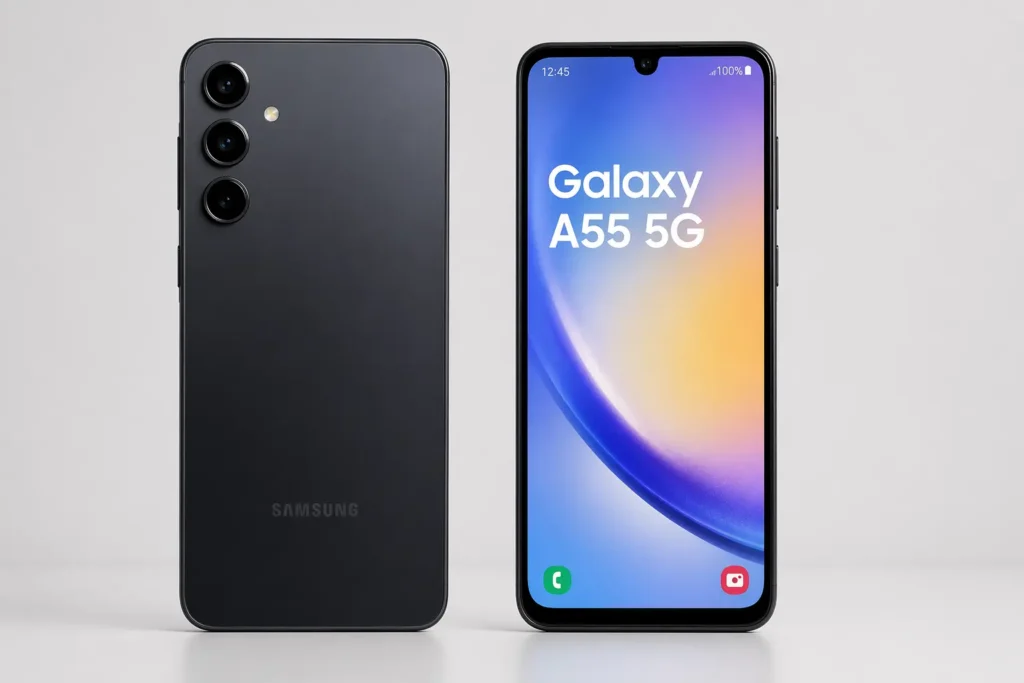
Samsung Galaxy A16 5G — The Safest Long-Term Bet
$169.99. Six years of OS updates. That combination shouldn’t exist at this price. It does.
Samsung quietly made the A16 5G the most future-proofed budget phone on the market. The 6.7-inch Super AMOLED display holds up against phones twice the price, and the 5,000mAh battery routinely hits a day and a half of real use.
What it won’t do: blow you away with speed. The Exynos 1330 chipset is competent, not fast. Users who’ve tested it report smooth performance on social media, messaging, and video — but gaming above casual titles shows frame drops.
Look — if your main concern is not having to replace this phone for five or six years, the A16 5G is the clearest answer in this entire list.
Google Pixel 9a — The Camera Exception
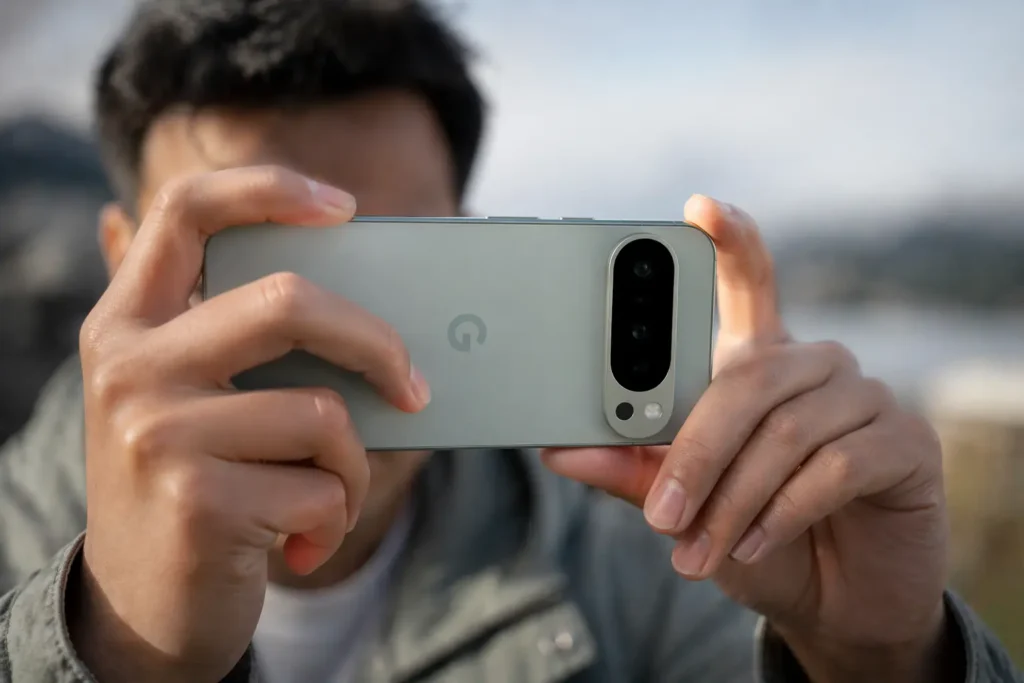
The Pixel 9a sits right at the edge of this guide’s $300 scope. At launch, it was priced around $499, but street prices have come down — and it’s worth mentioning because no other phone in this tier touches its camera or update promise.
Seven years of guaranteed software updates. Let that sit for a second.
Google’s Tensor G4 chip handles AI-powered photo processing that would cost $800+ on a Samsung flagship. Night Sight, Real Tone skin accuracy, and Magic Eraser all carry over from the Pixel 9 line. According to Google’s official product page (2025), the 9a includes the same camera sensor as the standard Pixel 9.
I’ve seen conflicting data on whether Tensor chips benchmark as well as Snapdragon equivalents — some AnTuTu comparisons show a gap, others don’t. For real-world tasks like photography, call quality, and AI features, the gap is irrelevant in daily use.
Or maybe I should say it this way: raw benchmark scores matter for gamers. For everyone else, the Pixel 9a just works.
Motorola Moto G 2026 — Clean Android, No Drama
$149. 120Hz display. Near-stock Android. No bloatware.
The Moto G 2026 is the answer for people who are exhausted by cluttered phone interfaces. Motorola’s software skin adds almost nothing on top of Android, which sounds boring until you’ve used a Samsung or Xiaomi device loaded with duplicate apps and aggressive notification permissions.
Battery life is strong. Build quality feels a step above the price. The tradeoff is honest: two OS updates, then you’re on your own. For someone who replaces their phone every two to three years anyway, that’s not a problem.
Quick note: the Moto G line has had inconsistent camera quality across generations. The 2026 model improved the primary sensor, but low-light shots still trail Samsung and Google at this price point.
Nothing Phone (3a) — For People Who Want to Stand Out
Nothing’s Glyph lighting system on the back is either a gimmick or a genuinely useful notification tool, depending on who you ask. That’s a fair debate. What isn’t debatable: the Nothing Phone (3a) is one of the best-built budget phones on the market.
The 50MP main camera performs above expectations. The interface — Nothing OS — runs clean and fast on the Snapdragon 7s Gen 3.
Some experts argue that a small market share creates long-term risk around software support and accessory availability. That’s valid for buyers in markets with limited Nothing retail presence. But if you’re in the US, UK, or major EU markets, support coverage is solid, and the update record has been reliable.
Poco X7 — Raw Performance for Less
The Poco X7 runs a MediaTek Dimensity 7300 chip and charges at 45W. At its price point, those are specs that genuinely matter.
Most people assume faster charging means worse battery health over time. The data says otherwise — modern charging management systems in phones like the X7 use adaptive throttling that extends cell longevity significantly compared to older fast-charge implementations.
The catch: MIUI (now HyperOS) is dense. Poco phones come with a layer of software customization that takes adjustment. Users who’ve switched from stock Android often report a two-week learning curve before it feels natural.
What to Actually Check Before You Buy

Software update policy is the single most underrated spec. Check the manufacturer’s official support page — not the retail listing — for the exact number of guaranteed OS updates before purchasing.
To evaluate a budget phone’s real value, check these four things:
- Confirm the OS update years on the manufacturer’s official support page
- Search “[phone model] + 18 months later” on YouTube for real degradation reports
- Check the chipset name against a benchmark site like Nanoreview for context
- Verify 5G band compatibility with your specific carrier before ordering
Most guides tell you to look at RAM and camera megapixels. What most guides skip is checking whether the phone supports your carrier’s 5G bands — a $200 phone that can’t access your network’s fast lanes is a slower phone than the specs suggest.
Budget Phone Cameras: What’s Real vs. What’s Marketing

Camera specs are the most inflated numbers in smartphone marketing. A 108MP sensor on a $150 phone produces worse photos than a 50MP sensor on a well-tuned $250 phone — because resolution is not image quality.
What actually matters: sensor size, aperture, and the image processing software behind it. Google wins this category at the budget level because Tensor chip processing compensates for smaller hardware. Samsung’s A-series does well in daylight. Motorola is honest but limited in low light.
Here’s a counterintuitive point: the best camera phone under $300 in 2026 isn’t the one with the most lenses. It’s the Pixel 9a, which uses two cameras exceptionally well rather than adding a third mediocre ultrawide for spec sheet credibility.
Frequently Asked Questions
The Samsung Galaxy A16 5G at $169 offers the best long-term value with six years of updates. For camera quality, the Google Pixel 9a leads the segment if you can stretch the budget slightly.
Check the manufacturer’s official update policy — look for at least four years of security patches. Phones from Google and Samsung currently lead on this in the budget tier.
Unless a flagship drops below $350, the value equation rarely works out. Budget phones in 2026 handle all daily tasks well — the gap only shows in gaming and pro photography.
Mostly software updates, adding features that the hardware wasn’t designed to run efficiently. Phones with cleaner Android skins — like Motorola — degrade more slowly than heavily skinned alternatives.
Choose Motorola if you want a cleaner software experience and plan to upgrade within three years. Choose Samsung if long-term update support and brand service network matter more to you.

